When it comes to dental care, many people often wonder about the differences between oral surgeons and general dentists. Both play crucial roles in maintaining oral health, but their expertise, training, and focus differ significantly. Understanding these differences can help you make informed decisions when it comes to your oral health needs.
What is an Oral Surgeon?
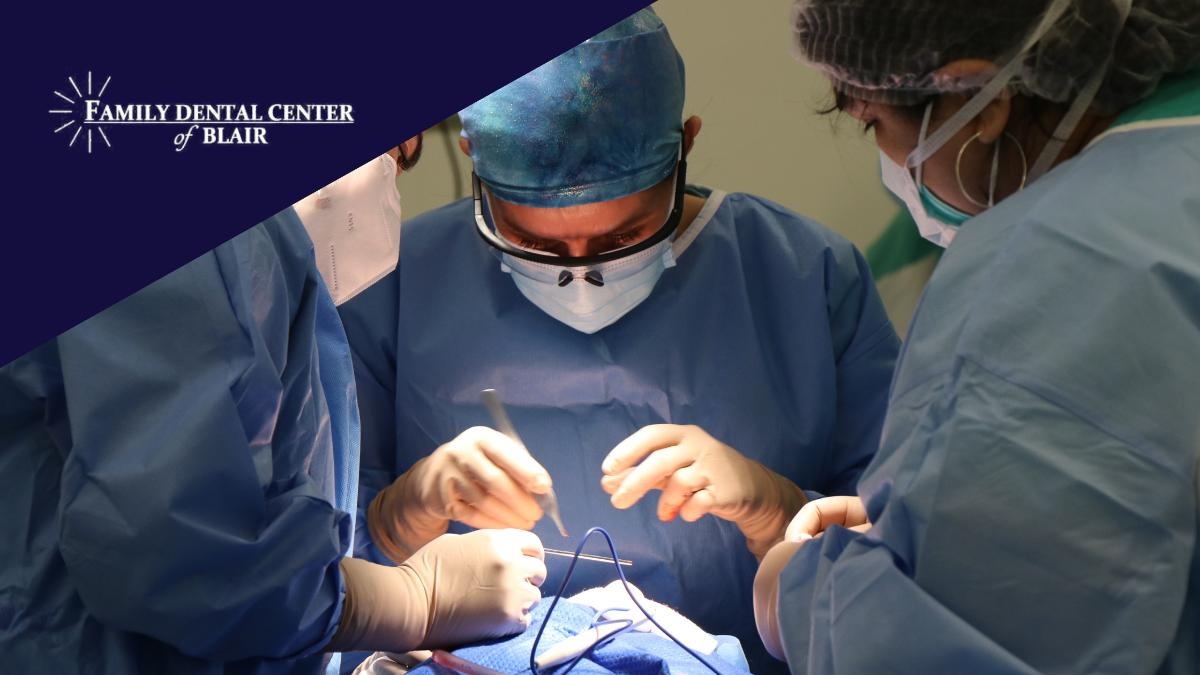
An oral surgeon, also known as a dental surgeon, is a specialist who focuses on diagnosing and treating complex conditions affecting the mouth, jaw, and face. Oral surgeons undergo extensive training beyond dental school, completing a residency in oral and maxillofacial surgery, which equips them with the skills to perform surgical procedures.
This specialty dental care can involve a wide range of treatments, from routine extractions to more complicated procedures like wisdom teeth removal, jaw realignment, and corrective surgery for facial trauma. Oral surgeons are experts in performing oral surgery under local anesthesia, sedation, or general anesthesia, depending on the procedure's complexity.
The Role of a General Dentist
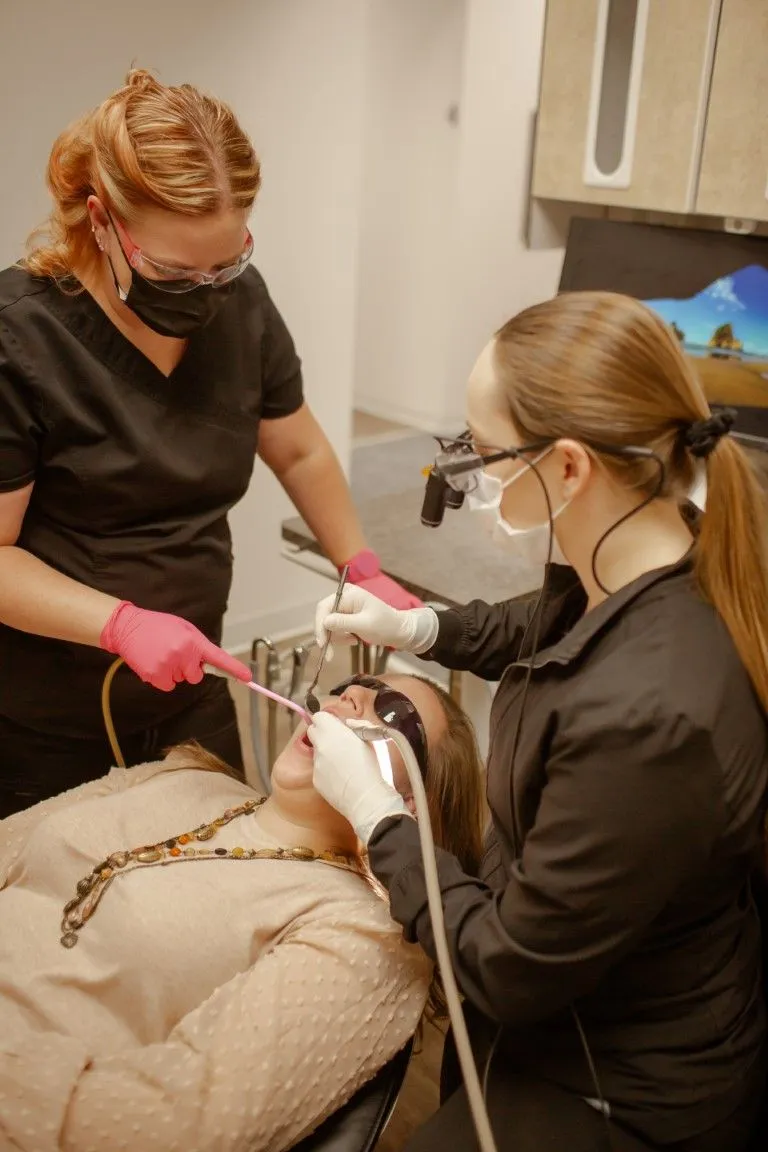
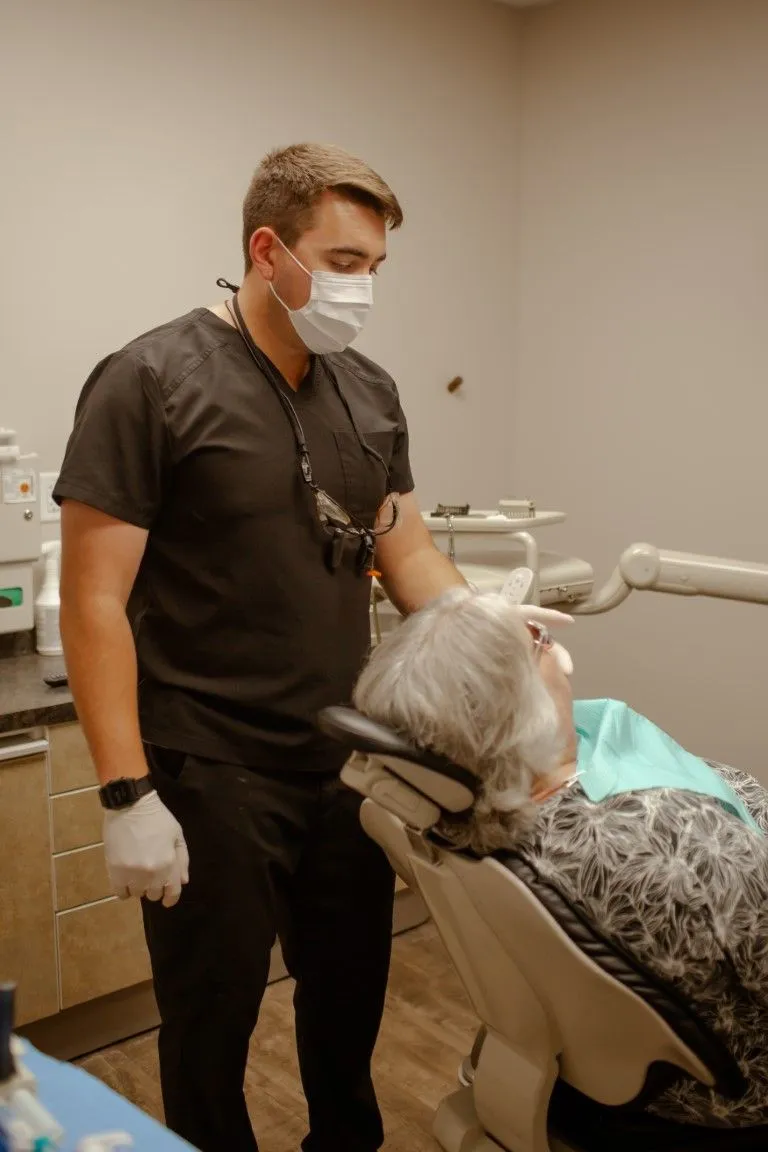
General dentists, like those at Blair Dental, are your primary dental care provider. General dentists are trained to handle a wide array of routine dental care needs, including cleanings, fillings, check-ups, and basic restorative treatments. They're also the first point of contact for most dental issues, and if a problem arises that requires oral surgery or specialty dental care, they will refer patients to an oral surgeon.
While oral surgeons specialize in specific oral procedures, general dentists focus on maintaining overall oral health and preventing dental problems. At Blair Dental, we handle many aspects of care and can connect patients to trusted oral surgeons for specialized interventions.
When Should You See an Oral Surgeon?
While general dentists can manage many dental issues, there are times when specialty dental care is necessary. If you are facing a more complex dental problem, such as impacted wisdom teeth, severe jaw misalignment, or facial trauma, an oral surgeon is the specialist to consult. Oral surgeons are trained to handle intricate cases that require advanced surgical intervention.
Wisdom Teeth Removal
If your wisdom teeth are impacted or causing other dental issues, an oral surgeon will likely perform the extraction.
Dental Implants
For patients who need a replacement for missing teeth, oral surgeons are often responsible for placing dental implants and ensuring they integrate properly with the jawbone.
Jaw Surgery
If your jaw is misaligned or you have a condition like temporomandibular joint (TMJ) disorder, oral surgery may be needed to correct the alignment.
Facial Trauma
Accidents resulting in broken bones or other damage to the face and mouth often require oral surgery for proper repair.
The Difference Between Oral Surgeons and General Dentists
Both oral surgeons and general dentists play vital roles in maintaining your oral health, but they focus on different aspects of dental care. General dentists, like the team at Blair Dental are your first line of defense for routine care and preventive treatments, while oral surgeons specialize in handling complex procedures.
By understanding the differences between these two types of dental professionals, you can make better decisions about your oral health and seek the right care at the right time. Always consult your dentist about any concerns you may have. The dedicated team at Blair Dental is well-versed in the world of dentistry and always ready to help.
Contact us today to learn more.